


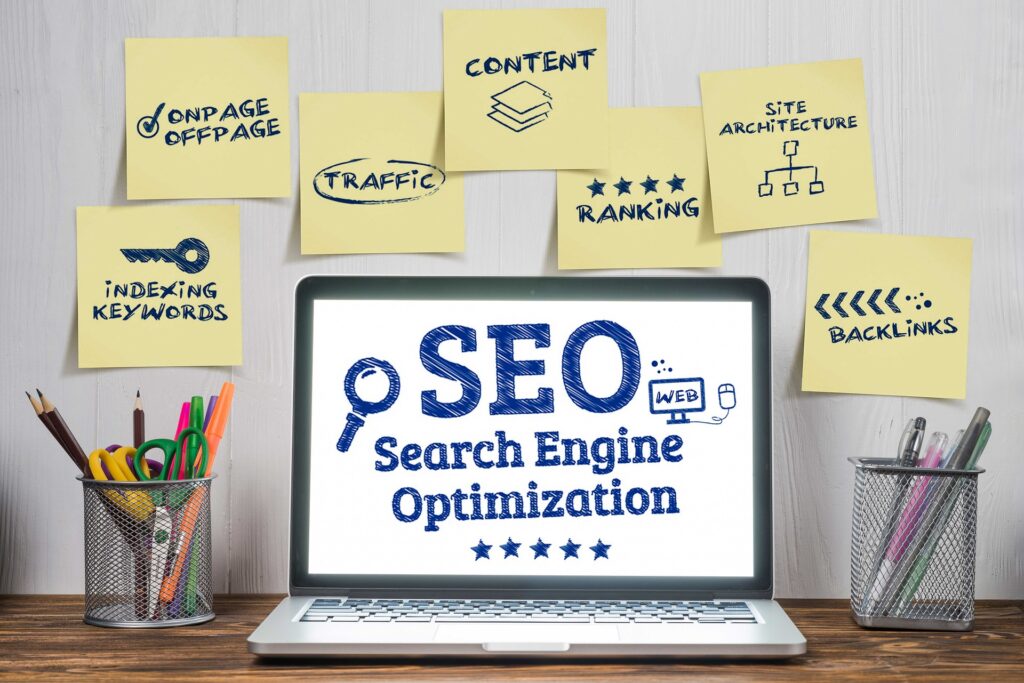
SEO in 2025 isn’t just a box to tick—it’s the backbone of digital success. We’re no longer living in the days when stuffing a few keywords into your web copy could get you to the top of Google. Now, search engine optimisation is a sophisticated, ever-evolving ecosystem driven by AI, voice search, user intent, and increasingly personalised experiences.
The question isn’t “Should I invest in SEO?”—it’s “Can my business survive without it?” Spoiler alert: you can’t.
This isn’t fear-mongering; it’s the reality of the digital landscape in 2025. Businesses that fail to adapt risk fading into obscurity while competitors who get it right dominate search rankings, attract more customers, and build unshakeable brand authority.
So, let’s dive into why ignoring SEO in 2025 is like handing your competition the win—and what you should be doing instead.
🚀 1. The SEO Game Has Evolved (And It’s Smarter Than Ever)
Google’s algorithm has come a long way from its keyword-stuffing days. In 2025, we’re looking at a search engine landscape powered by AI, machine learning, and increasingly sophisticated systems like Google’s RankBrain and BERT. These technologies are all about understanding intent—figuring out not just what users are searching for, but why they’re searching for it.
Why this matters:
If your content isn’t answering user intent, Google will push you down the rankings. It’s not enough to be relevant—you have to be the best answer to the question your audience is asking.
What this means for your business:
- You need to focus on creating high-quality, in-depth content that provides real value.
- Keywords still matter, but now they’re just the starting point. Context and relevance are everything.
- Google rewards websites that demonstrate E-E-A-T (Experience, Expertise, Authoritativeness, Trustworthiness). If your brand isn’t building authority and trust, your rankings will suffer.
📱 2. Voice Search and Visual Search Are No Longer Niche
“Hey Siri, where’s the best pizza place near me?”
Sound familiar? By 2025, over 50% of all searches are driven by voice or visual inputs. People aren’t just typing anymore—they’re speaking and snapping photos to search faster and more intuitively.
Why this matters:
Voice search prioritises conversational language and quick, direct answers. Visual search, on the other hand, allows users to search using images (think Google Lens or Pinterest Lens). If your SEO strategy doesn’t account for these search behaviours, you’re missing out on huge traffic opportunities.
How to optimise for this new search landscape:
- Optimise for voice search by using natural, conversational phrases and answering common questions in your content.
- Add alt text and structured data to images for better visual search performance.
- Create FAQ sections on your site—voice search loves clear, concise answers.
Ignoring this shift means falling behind as more users rely on hands-free, intuitive search methods to find what they need.
🔍 3. Search Intent Is King—And You Need to Understand It
Google’s algorithm is now laser-focused on delivering results that match intent. That means understanding why someone is searching, not just what they’re searching for.
There are four main types of search intent:
- Informational: Looking for knowledge (“What is SEO?”).
- Navigational: Trying to find a specific site (“RS Digital homepage”).
- Transactional: Ready to buy (“Best SEO services in Lancashire”).
- Commercial investigation: Comparing options (“Top SEO agencies in the UK”).
Why this matters:
If your content doesn’t match the user’s intent, Google will bypass you for a competitor who understands it better.
How to adapt:
- Map out the intent behind relevant keywords.
- Tailor your content to meet that intent—blog posts for informational searches, product pages for transactional queries.
- Analyse your competitors’ content for clues on what’s working for different types of intent.
📈 4. AI and Automation Are Shaping the Future of SEO
AI tools are no longer a novelty—they’re integral to modern SEO. From content optimisation tools that suggest better headlines and keywords to AI-driven analytics that help refine strategies in real-time, automation is transforming how businesses approach search visibility.
Why this matters:
If your competitors are using AI-driven insights and you’re not, they’re already two steps ahead.
How to leverage AI in your SEO strategy:
- Use AI tools like SurferSEO, Clearscope, or MarketMuse for content optimisation.
- Implement chatbots for better user experience and engagement.
- Use predictive analytics to forecast trends and adjust your content strategy proactively.
📍 5. Local SEO Is More Important Than Ever
With mobile-first indexing and location-based services becoming the norm, local SEO is a game-changer—especially for small and medium-sized businesses. In 2025, more people than ever are searching for services “near me,” and if your business isn’t showing up, you’re invisible.
Why this matters:
Google’s local search algorithm prioritises relevance, distance, and prominence. Without a solid local SEO strategy, you’re missing out on potential customers who are literally around the corner.
Quick wins for local SEO: ✅
- Optimise your Google Business Profile (formerly Google My Business).
- Use local keywords and create location-specific landing pages.
- Get listed on relevant local directories.
- Encourage satisfied customers to leave reviews—these directly impact your local rankings.
🔗 6. Backlinks Still Matter—But Quality Is Key
Backlinks aren’t dead—they’ve just evolved. In 2025, quality far outweighs quantity. Google’s algorithm is now better than ever at detecting spammy links and irrelevant backlinks, so old-school link-building tactics will hurt your rankings more than help.
Why this matters:
Authoritative backlinks from trusted sources signal to Google that your content is valuable and credible.
How to build high-quality backlinks: ✅
- Create genuinely valuable, shareable content (think original research, in-depth guides, and case studies).
- Engage in guest posting on reputable websites within your industry.
- Build relationships with journalists and influencers for digital PR opportunities.
💻 7. Core Web Vitals and User Experience Are Non-Negotiable
Google’s focus on user experience (UX) is stronger than ever, with Core Web Vitals becoming a significant ranking factor. These metrics measure real-world user experience, looking at things like page load time, interactivity, and visual stability.
Why this matters:
A site that’s slow, clunky, or frustrating to navigate won’t just lose visitors—it’ll be penalised in search rankings too.
What you should focus on: ✅
- Improve page speed: Compress images, use fast hosting, and implement lazy loading.
- Mobile-first design: Ensure your site works seamlessly on mobile devices.
- Fix visual stability issues: Avoid elements that shift unexpectedly as the page loads.
🏆 8. SEO Builds Long-Term Brand Authority
SEO isn’t just about quick wins—it’s about establishing long-term authority. When you consistently appear at the top of search results, your brand becomes synonymous with expertise and trustworthiness.
Why this matters:
Consumers are more likely to engage with brands that appear at the top of search results because those positions imply credibility. If you’re not visible, your competitors are reaping those trust points instead.
How to build long-term authority:
- Regularly publish high-quality, informative content.
- Focus on thought leadership—share unique insights and industry knowledge.
- Keep your content fresh and up-to-date with the latest information and trends.
❌ What Happens If You Ignore SEO in 2025?
Let’s get real—ignoring SEO isn’t a neutral decision. It’s actively damaging. Here’s what could happen if you let your strategy slide:
- Your competitors will outrank you and steal your traffic.
- Your website’s organic traffic will dwindle.
- You’ll spend more on paid advertising to compensate.
- Your brand credibility will suffer as you become less visible online.
- Potential customers might never even know you exist.
In short: ignoring SEO in 2025 isn’t just risky—it’s business sabotage.
🔑 Don’t Get Left Behind
SEO in 2025 isn’t an option—it’s a necessity. As search engines become smarter and user expectations skyrocket, only the businesses that prioritise search visibility, content quality, and user experience will thrive.
The good news? You don’t have to navigate this landscape alone. Whether you’re new to SEO or looking to supercharge your existing strategy, RS Digital is here to help businesses in Lancashire (and beyond) stay ahead of the curve.
The future of search is already here—are you ready to be found?